
Two numbers define Pakistan’s monetary moment. The State Bank of Pakistan’s policy rate stands at 11.5% following a 100 basis point hike in April 2026. CPI inflation, as measured by the Pakistan Bureau of Statistics, was 11.7% in May 2026. The arithmetic is simple: Pakistan’s real interest rate is approximately −0.2%. Essentially zero.
For an economy that spent most of 2023 and 2024 running deeply negative real rates, this looks like progress. For an economy that was supposed to be in the final stages of disinflation under an IMF program, it raises questions.
How we got here: the most aggressive rate cycle in SBP history
At its peak in 2023, the SBP policy rate reached 22% — the highest in Pakistan’s history — as the central bank fought a CPI that had breached 38% year-on-year in May 2023. The rate hike cycle was partly IMF-driven and partly a response to a genuine inflation emergency driven by energy price adjustments, currency depreciation, and fiscal slippage.
What followed was the most aggressive easing cycle Pakistan has seen. Between June 2024 and December 2025, the SBP cut rates by a cumulative 1,150 basis points — from 22% down to 10.5% — across successive decisions. Inflation had fallen sharply, reaching 4.1% in December 2024 and averaging within the SBP’s 5–7% target band through November 2025.
Then, in April 2026, the SBP raised rates by 100 basis points — a pivot that broke a 19-month easing trend.
Why the April 2026 hike happened
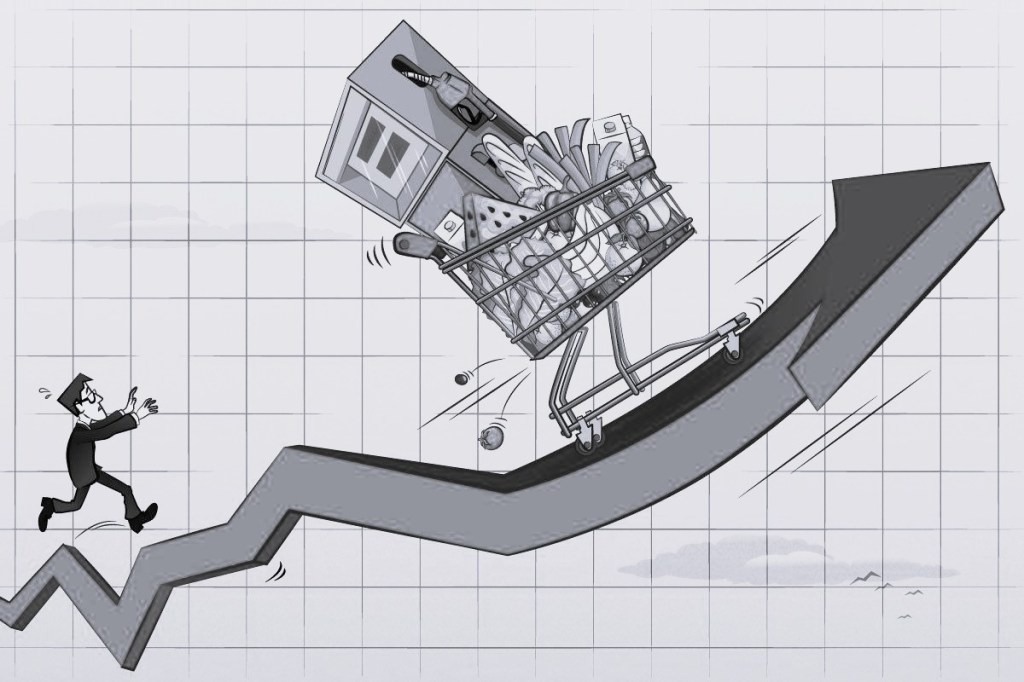
The rate hike signals that the disinflationary trend that powered the cutting cycle has reversed. CPI at 11.7% in May 2026 is nearly double the upper band of the SBP’s stated target range. Whether this is a temporary resurgence driven by food prices and energy tariff adjustments — standard in Pakistan’s inflation dynamics — or the beginning of a sustained uptick will determine whether April’s move is a one-off recalibration or the start of a new tightening cycle.
What near-zero real rates mean in practice
A real interest rate of −0.2% is effectively zero: the policy rate is barely keeping pace with inflation. This has several practical implications.
For savers. Bank deposit rates, typically set near the policy rate, are offering returns that inflation is eroding in real terms. A saver earning 11% on a term deposit when CPI is 11.7% is losing purchasing power, marginally but consistently.
For borrowers. Real borrowing costs remain low. Corporate Pakistan and the government itself are both beneficiaries: real debt servicing costs are near zero, which provides relief to an already stressed fiscal position.
For the exchange rate. Near-zero real rates offer limited defence if capital outflows materialise. The IMF has consistently stressed the importance of maintaining positive real interest rates in Pakistan to anchor the PKR and contain inflation expectations.
The forward question
If inflation remains above 10% through the summer, the SBP faces a credibility test. The cutting cycle was predicated on a sustained return to low single-digit inflation. At 11.7%, that narrative has fractured. Further hikes would increase government debt service costs at a time of fiscal consolidation. Holding rates would mean accepting persistently negative real rates. It is an uncomfortable position either way, and the next MPC decision will be closely watched.
Sources: SBP Monetary Policy Statement, December 2025; Dawn / Express Tribune on April 2026 rate decision; PBS CPI data, May 2026; IMF Pakistan program documentation.

 Bloom Capital Review
Leave a comment